Mic University
Learn the craft
behind the
capsule
Placement guides, application notes and the acoustics behind the sound — written by the engineers who build the microphones. Free, and deeper than any spec sheet.
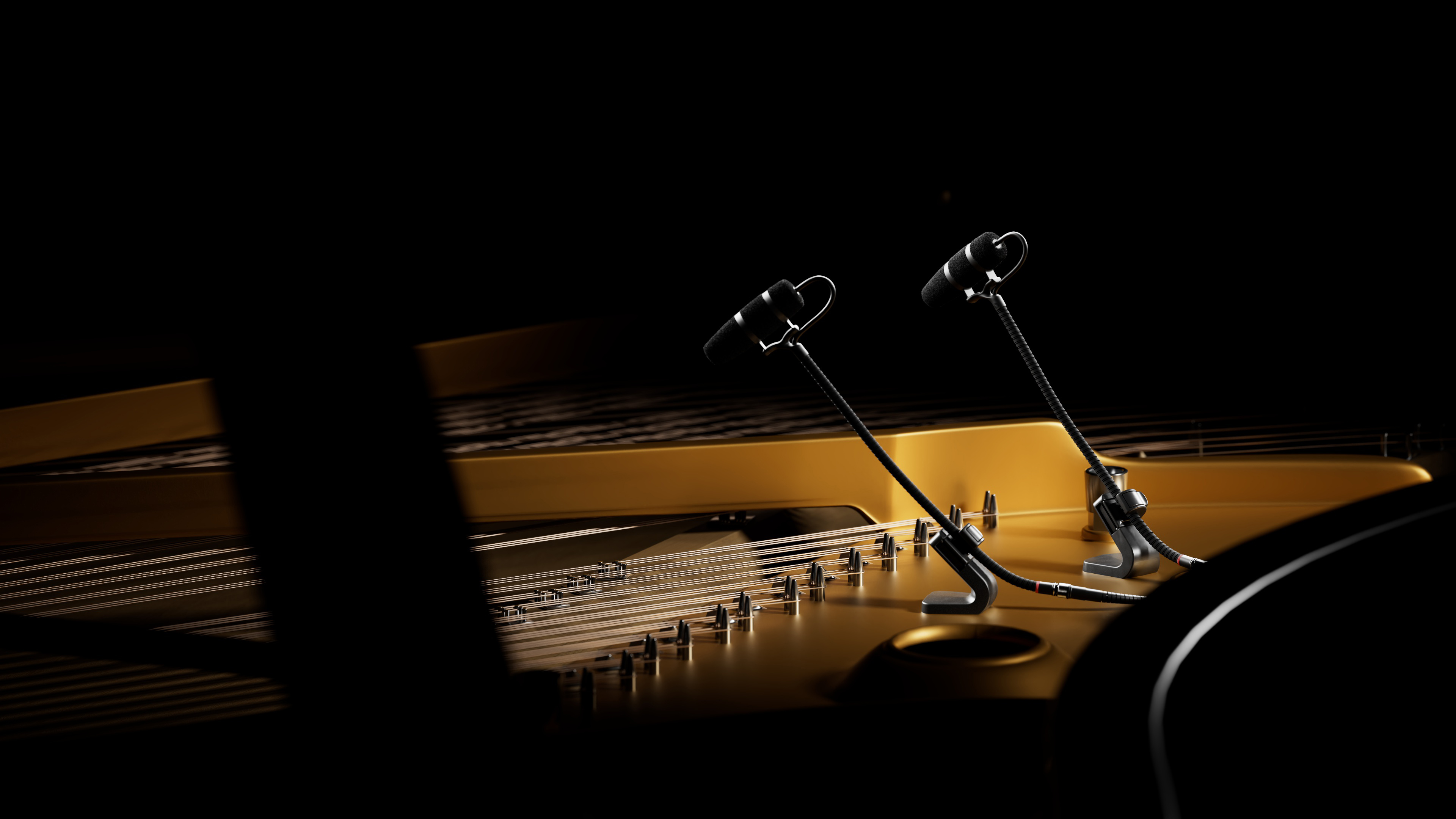
Placement guides
Where to put the mic
Start here. Each guide is a worked example — the position, the distance, the pattern, and why it sounds the way it does.

Two mics, lid position and the trade-off between attack and bloom — from a solo passage to a full hall.
Read the guide
Taping at the hairline, wig-line routing and how to keep the level steady across a two-hour show.
Read the guide
Clip placement for violin, cello and double bass — getting the body without the bow noise.
Read the guide
Boom angle, off-axis rejection and rigging a micro shotgun where a boom can't go.
Read the guide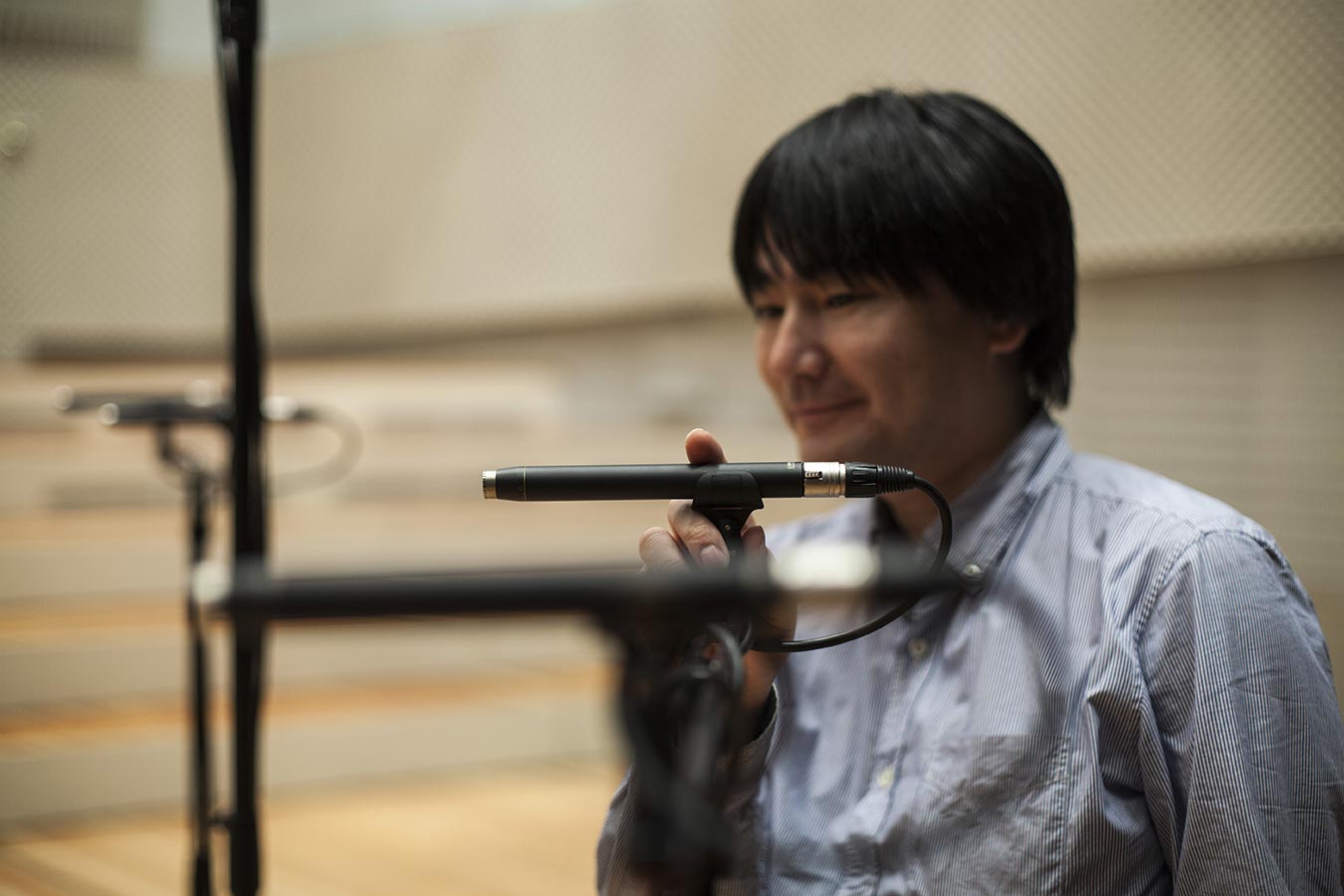
The acoustics
Why distance is
the first decision
Before pattern, before model, there's the distance to the source. It sets the ratio of direct sound to room, the amount of proximity effect, and how much the mic forgives a moving performer. Get the distance right and half the problems never start.
Read the primerBy application
Find the note for your room
-
01 / THEATRE
Musical theatre
Body-mic placement, redundancy and keeping 1,800 seats hearing a whisper as if there were no technology in the room.
-
02 / TOURING
Live & touring
Headset fit, gain-before-feedback on a loud stage, and surviving night after night on the road.
-
03 / STUDIO
Classical & acoustic
Reference omni and cardioid technique for capturing a hall, a choir or a soloist truthfully.
-
04 / BROADCAST
Broadcast & film
Discreet placement, wireless integration and consistent dialogue capture under production pressure.
-
05 / INSTALL
Houses of worship & install
Gooseneck and choir-mic placement for fixed rooms, lecterns and difficult acoustics.
-
06 / WIRELESS
Going wireless
Adapters, frequency planning and how to keep the capsule's sound intact across the link.
"A spec sheet tells you what the microphone can do. A placement guide tells you what to do with it."
— DPA application engineering
Still stuck?
Ask the people
who built it
If the guide doesn't cover your room, our application engineers will. Tell them the source, the space and the constraint, and you'll get a real answer — not a product pitch.
Ask an engineer